How Electric Tailgates Became Standard in Smart Cars?
News 08/14/2025 14
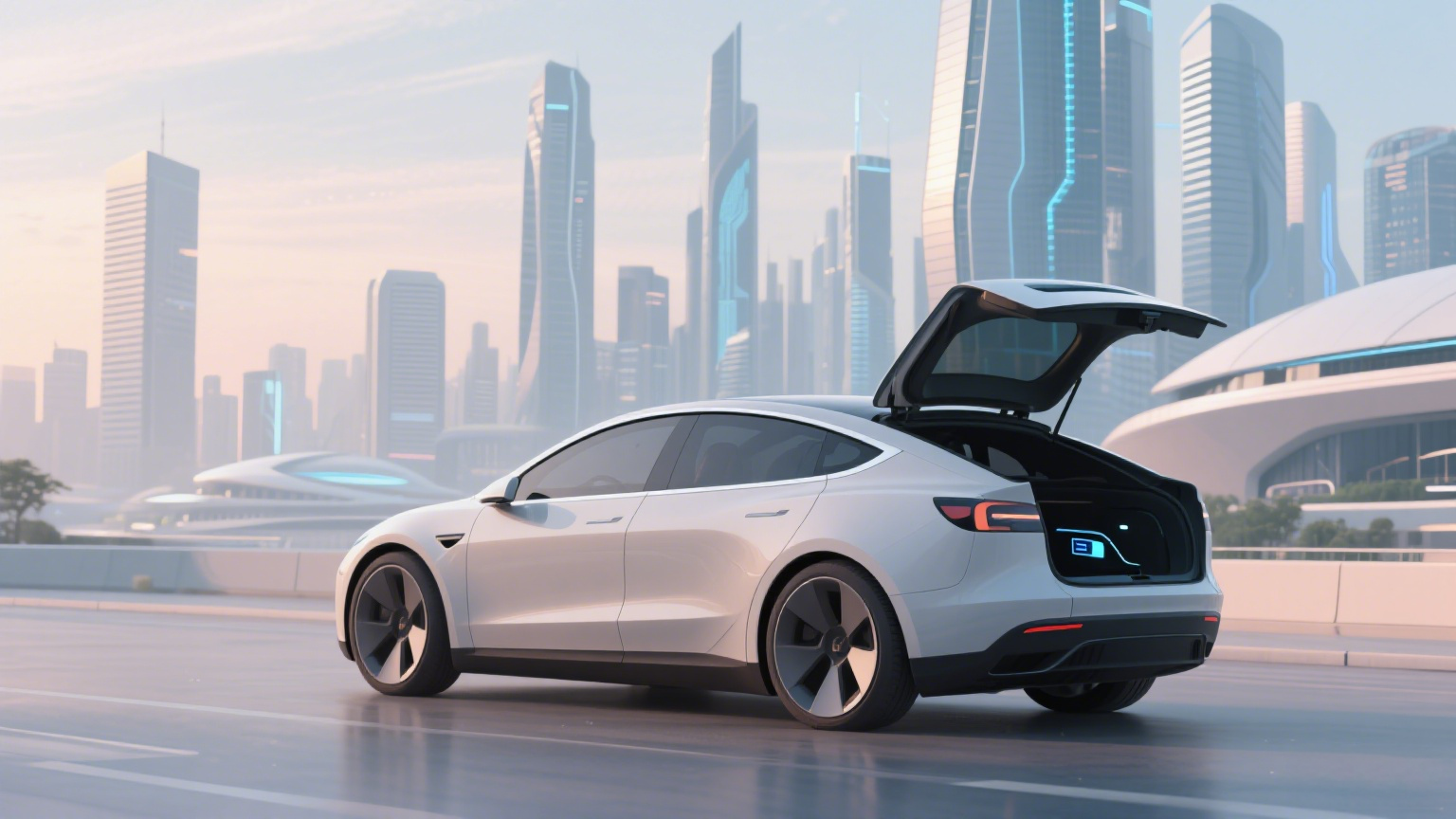
The Technological Evolution from Premium Option to Mass Adoption
At the 2023 Shanghai Auto Show, a notable trend emerged: over 80% of new vehicles now feature electric tailgates as either standard or optional equipment. This shift marks the transition of electric tailgates from a luxury exclusive to a mainstream feature, establishing them as a key indicator of a car’s smart capabilities.
Market research shows that 72% of consumers consider electric tailgates a critical factor when purchasing a vehicle. This change in preference reflects growing demand for convenience and smart features, particularly in new energy vehicles (NEVs), where adoption rates exceed 95%—far surpassing traditional fuel-powered models.
Behind this rapid adoption lies continuous technological advancement. Early iterations offered only basic open/close functionality, while modern smart tailgates now support hands-free activation, voice control, and remote operation via smartphone apps. Surveys from a leading German automaker reveal that models equipped with these intelligent systems achieve over 90% customer satisfaction.
Equally significant is the dramatic cost reduction. In 2018, an electric tailgate system cost around ¥4,000; today, economies of scale and technical refinements have lowered the price to approximately ¥1,500 per unit—accelerating widespread adoption.
Industry experts highlight the tailgate’s evolution from a “utility feature” to an “interactive platform.” With emerging technologies like biometric recognition and energy recovery, its role in the smart vehicle ecosystem is poised to expand further.